
Industries
Built for work you can touch.
Different industries, the same problem: valuable things change hands, and someone has to answer for them. Find yours below.
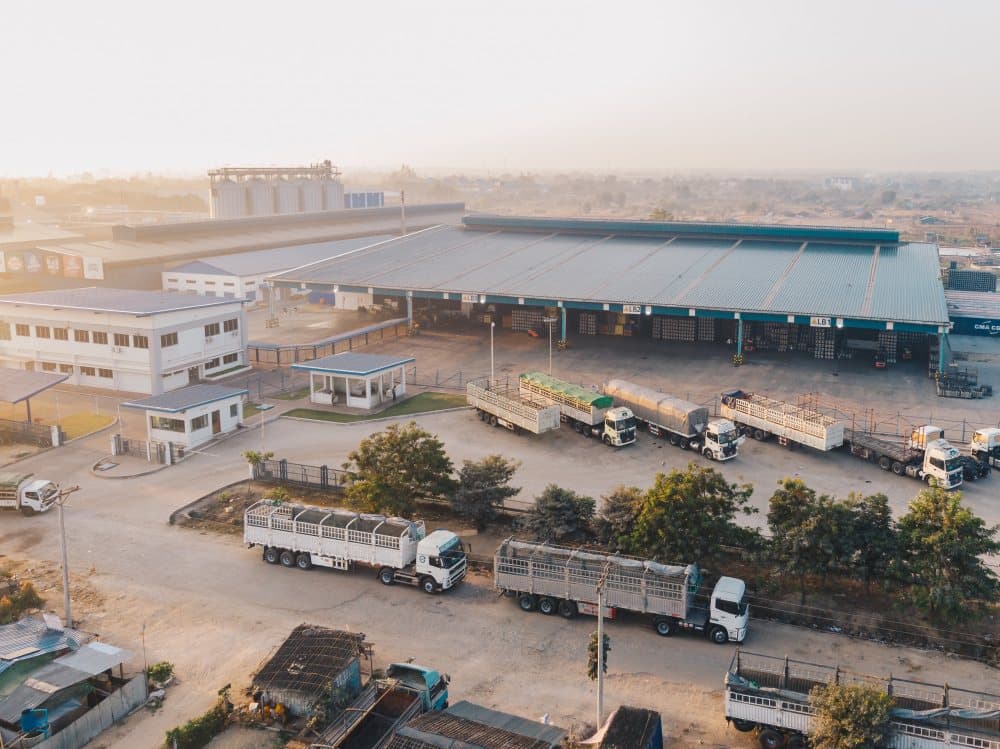
Stock is spread across depots, trucks run half full, and the count never matches the system.
Distribution and warehousing


One ledger across every depot
Receipts, moves and counts from every site land on one record, so head office and the floor see the same number.
Run-out dates per site
See which depot runs short of which item, and when, weeks before a customer order fails.
Move surplus, not money
Hovera suggests transfers from depots with too much to depots heading short, sized by real travel times.
Fuller trucks
Plan your own fleet's trips against weight, volume and pallets, and see empty kilometres in the reports.
Example
A depot is running low on a fast seller. Hovera flags it nine days out, the planner accepts a transfer from a sister depot, and it rides on Tuesday's regular truck. Nobody had to make a phone call.

Parts go missing at the line, the schedule lives on a whiteboard, and nobody can say what went into a unit.
Manufacturing


Clear to build, before you start
Material, machines and people are checked before an order is released, not discovered missing at the line.
A schedule that explains itself
Every late order says why. Drag, lock and try a change before you commit to a date.
Machines that stay up
Servicing runs on hours or calendar, and a machine reported down reaches maintenance in one tap.
Trace every unit
Every serial is linked to the lots, operators and machines that made it, for recalls and customer questions.
Example
A customer calls about a faulty unit. The quality lead scans its serial, finds the bracket lot it shares with 37 other units, and has the list before the call ends.

Losses start with a gap between the count and the record. Expired stock is found too late.
Hospitals and pharmacy
Every vial accounted for
Track by lot with expiry, or by serial number, across every pharmacy and ward store.
A witness on every write-off
Waste and write-offs of controlled items wait for a second person. The requester can never approve their own.
Blind counts
Counters see no expected quantity, so they count what's on the shelf, not what the system says.
Expiry in the plan
Forecasts remove stock on its expiry date, so the run-out date already allows for it.
Example
A count at a satellite pharmacy is two vials short. The ledger shows the last three hands that touched the lot, with times and approvers, before anyone has to ask.
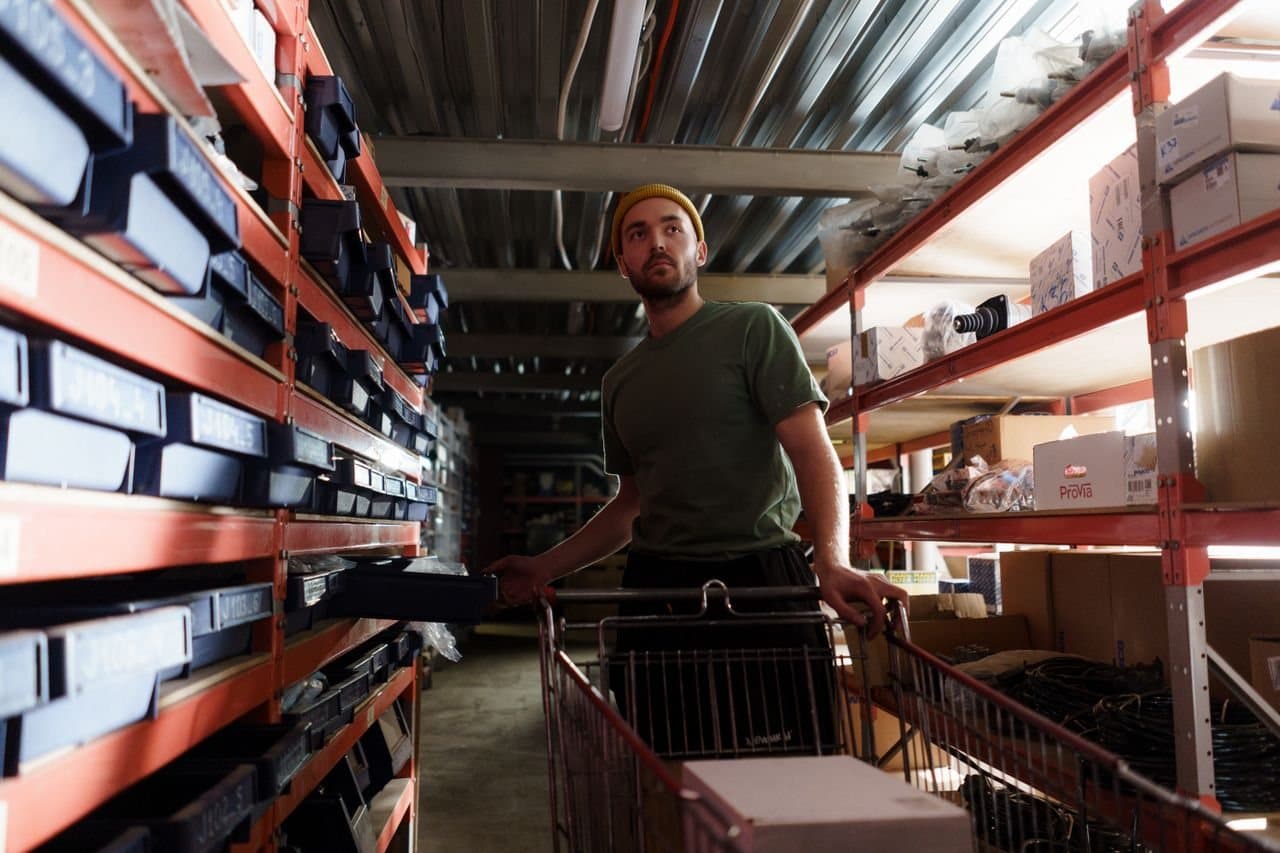
A spare part you can't find during a storm costs hours of outage, and service history lives in binders.
Energy and utilities
Spares you can find
Serial-tracked transformers, breakers and inverters across substations, yards and sites, with the holder named.
Servicing by hours or calendar
Turbines, generators and vehicles get service plans that raise work orders on their own.
Ready before the season
See which sites run thin on critical spares before storm season, not during it.
Inside your boundary
Install on your own servers, inside your network, with no outside connection needed.
Example
A storm takes out a feeder. The control room searches one serial, sees the nearest spare breaker 40 km away with the yard keeper's name, and sends a truck.
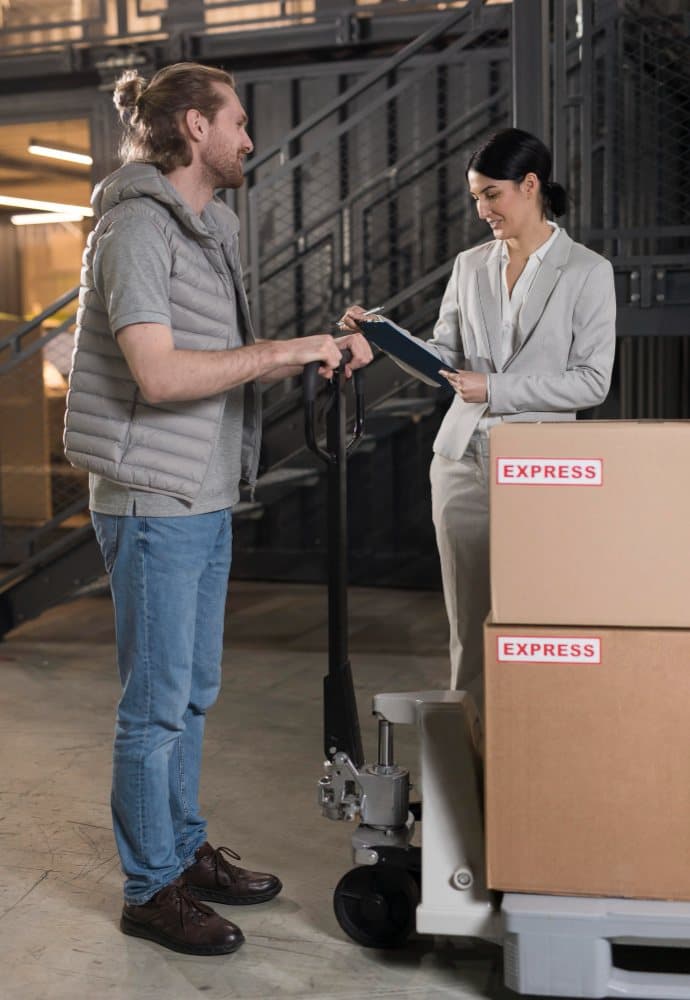
Every handoff of a firearm, evidence item or relief pallet needs a name, a time and a second signature.
Public safety and emergency
Chain of custody you can show
Every serial's full history: each place, holder and approver, kept so it can't be edited after the fact.
Two-person rules
Releases and write-offs of controlled items need a second person, by rule, not by habit.
Stockpiles ready before the season
Pre-position water, generators and kits across warehouses and staging areas, and see them all on one map.
Rehearse the bad week
Close a highway for five days in a scenario and see which shelters run short, before it happens.
Example
An auditor asks how a rifle moved between two stations last spring. The property officer opens its serial and prints the trail: three handoffs, three signatures, one approver each.

Units report by radio and spreadsheet, and the morning board is retyped by hand every day.
Defence and security
Status from a phone
Units send stock levels from a short phone form. Hovera works out burn rates and plans them like warehouses.
One sustainment board
Every unit against every supply class, coloured against the days-of-supply standard you set.
Cross-level before it hurts
Hovera proposes transfers from units with surplus to units heading short, sized by real lead times.
Built for secure networks
Runs air-gapped, with smart-card sign-in, a FIPS-validated crypto image and an evidence pack for your assessor.
Example
A unit's morning report shows fuel at two days against a five-day standard. The board turns red, a cross-level from a neighbouring unit is proposed, and the officer approves it before the brief.
Don't see your industry?
If your business runs on things that move, wear out or get made, the problem is probably the same. Book a session and bring one real case.